The creation account in Genesis 1 can inspire simple nature and science activities for children. Read the passage as Scripture, then explore the natural world through observation, questions and practical investigation. The account is not a scientific taxonomy or a replacement for science teaching.
For Christian families, gratitude and careful observation can sit together. A child can thank God for a plant while learning what the seed needs to grow. Keep the scientific explanation accurate and label a family activity as an activity rather than a claim from the passage.
Light and shadows
Use a torch and a solid toy to explore shadows. Move the light closer and farther away. Ask what changed, then try again with another object. Keep the torch away from anyone's eyes.
You can link the activity to the account's opening description of light and darkness without presenting it as an explanation of the physics. The learning comes from comparing what the child observes.
Water, soil and a seed
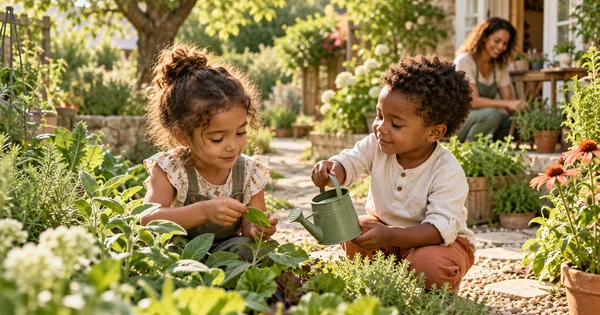
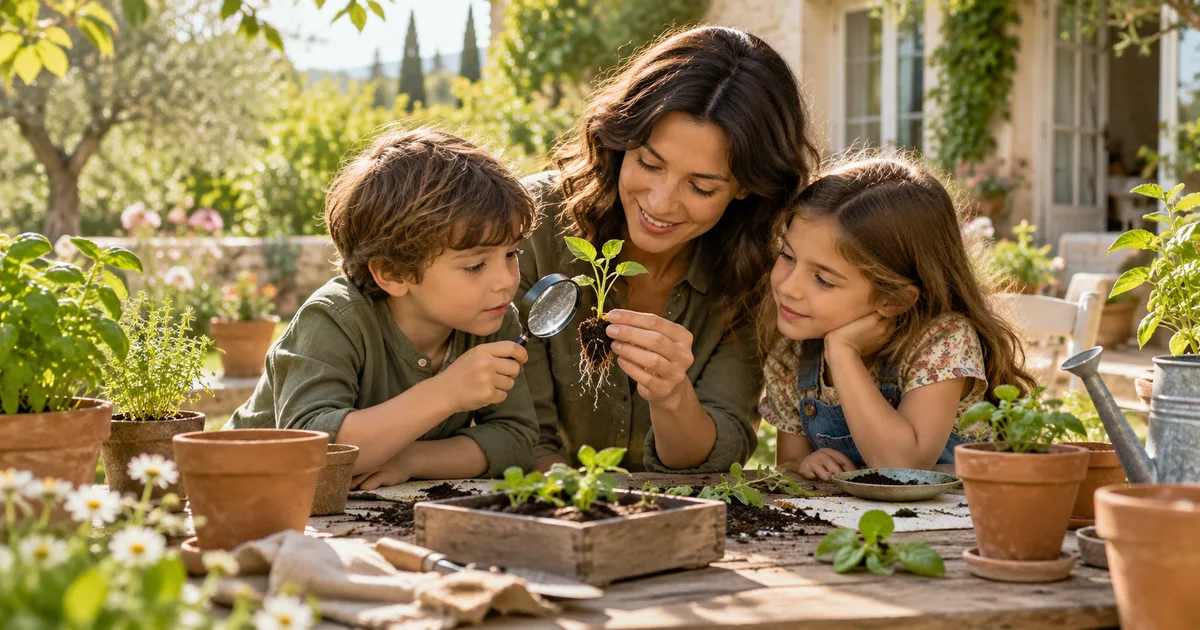
Plant a suitable seed according to its packet instructions. Use a clear container or take photographs to record changes. Let the child describe what they see before telling them what should happen.
The Royal Horticultural Society explains germination as the beginning of a seed's development into a plant. Seeds and growing conditions vary, so check the instructions rather than promise that every seed will sprout on the same day. Keep small seeds and materials supervised with young children.
Try a simple record: draw the pot today, then return to it later. The aim is noticing change and caring for a living thing, not making the quickest plant.
Look carefully at animals
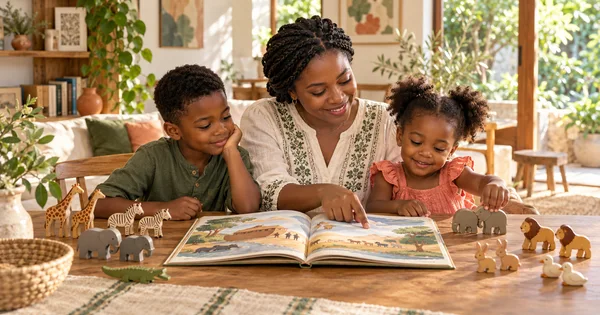
Compare a bird and a fish in a reliable picture book. What body parts can your child see? How does each move? Which questions need another source or a visit outside?
Avoid overgeneralising. Not all birds fly, and animals in water are not all fish. Jonah's account names a great fish; it does not identify a whale species. Bible retellings and nature facts should each keep their own accuracy.
Notice the sky safely
Look at clouds, the Moon or evening stars together. Draw what you notice and compare it another day. Never look directly at the Sun. Avoid promising that a particular sky object will be visible at a given time without checking locally.
A question can stay open: what might we need to observe to find out? That is a useful starting point for investigation.
Make a small exploration week
- Read a short section of the creation story.
- Choose one thing to observe: a shadow, a seed, an animal or a cloud.
- Let the child draw or describe it.
- Compare a second example or repeat the observation.
- Finish with gratitude for something you noticed together.
Little Vine's games and activities can introduce an idea, but hands-on exploration adds something a screen cannot provide. The creative studio also gives children room to draw what they discover.
Leave room for different questions
Children and Christian families approach the creation account in different ways. Read it carefully, explain your family's beliefs honestly and use reliable science sources for factual questions. You do not have to resolve every large question during a young child's first nature walk.